What Are Event Contracts?
Event contracts are short-term trading tools that let you guess whether a market price will go up or down over a certain period of time. When the time is up, the contract automatically settles based on whether your guess was correct. If you’ve been curious about what event contracts are, the best way to explain them to someone who doesn’t know much about them is that they are fixed-term, outcome-based products that pay a set amount when your prediction matches the final settlement result. When you trade spots, you buy something and your profit or loss changes all the time. With event contracts, you only have to answer one question, and the time limit is clear.
What Are Event Contracts and How Do They Work?
We make it as easy as possible to trade an event contract so that the focus stays on timing and direction instead of managing positions. First, you choose the market or price feed you want to trade. Then, you choose a direction (up or down) and how much you want to put in. The contract is locked for its full duration once you enter, and it automatically ends when it matures. This means you don’t have to “trade out” of it like you would with a spot position or a leveraged perpetual.
A Model for Figuring Out Payouts and Settlements
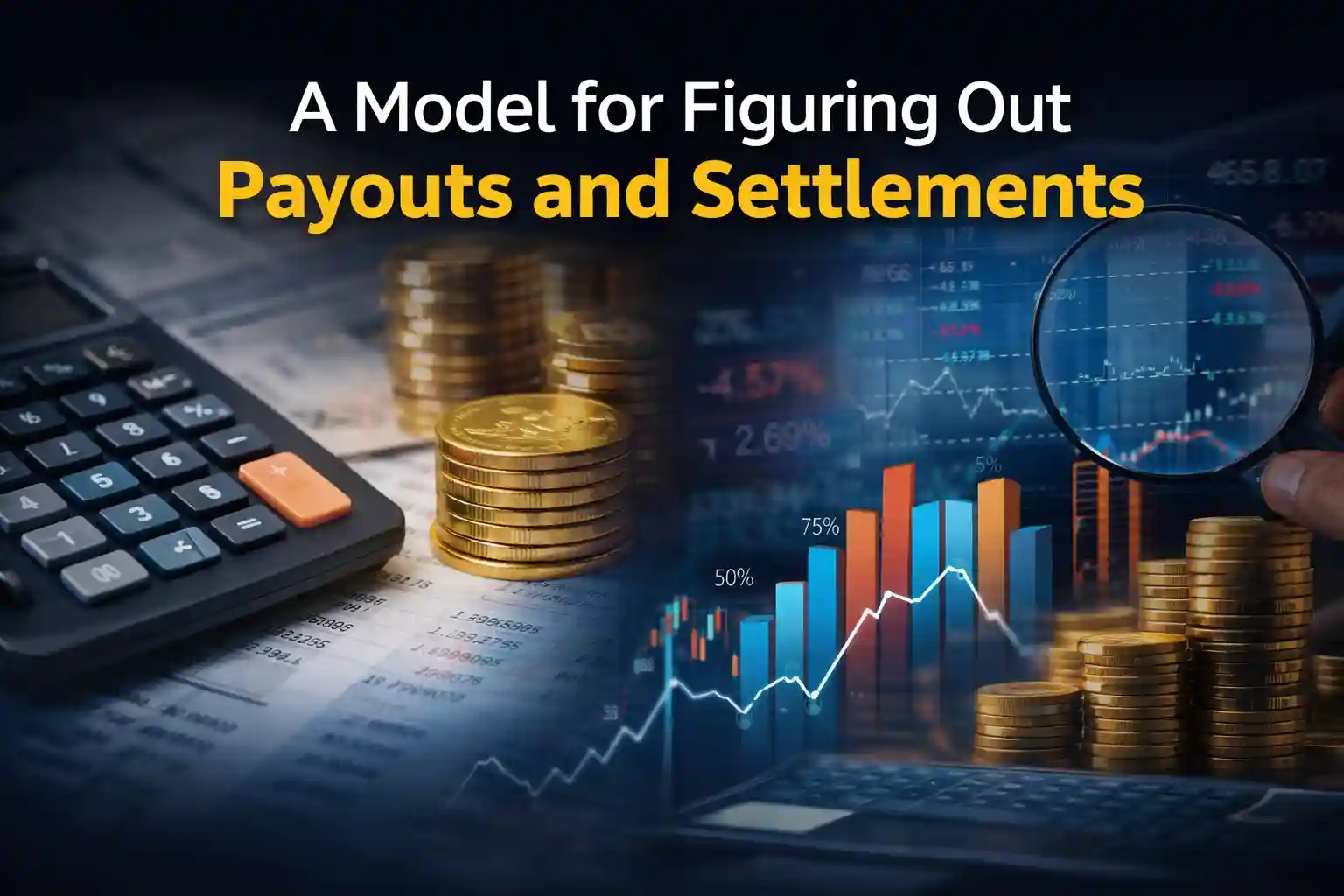
The way MEXQuick event contracts work is that they use a fixed return mechanism, which makes the math for payouts clear and easy to understand from the start. If your guess is correct, the amount of your settlement is equal to the amount of your investment plus 90% of the amount of your investment. This means that you get back the money you put in plus 90% of that money. If you guess wrong, you get nothing and lose the money you put into the contract. You don’t have to worry about changing profit percentages, a floating P&L, or a payout that depends on how much the price moved.
Risk Profile: Losses Are Limited, and There Is No Selling Off
The risk cap is one of the best things about event contracts, especially for people who are new to them. You can’t lose more than what you put in, and there are no margin calls, liquidation events, or times when the trade becomes a bigger liability than what you agreed to at first. When you trade with leverage, on the other hand, price changes can force you to close your position or lose more money if it isn’t fully backed. With event contracts, you decide how much you’re willing to lose, and that number is your total exposure.
Why You Can’t Close Early
This limit isn’t an accident; it’s an important part of how the product works. The product stops a common mistake that beginners make when they’re under pressure: making decisions based on how they feel. You can’t sell in a panic, take profits too soon, or keep going back in after small changes. You agree to the discipline of a timed outcome in exchange: you know exactly when the settlement will happen and you let the contract end. This structure might not be right for everyone. Dynamic trade management might not be as useful for experienced traders. But for a lot of new people, it makes things easier and keeps the focus on short-term predictions instead of full-scale position of online trading.
Fairness Protections and Price Information
The price feed needs to be very accurate because event contracts are based on a final price. According to MEXQuick, it gets prices from many exchanges and updates them every 500 milliseconds. It also gets rid of outliers to make sure that settlements are fair. This is very important for products with short cycles, where a small and unexpected price change can make or break a contract. The platform’s goal is to make it less likely that one strange feed event will change the results for all users by regularly removing outliers and adding new ones.
Does the Platform Bet Against You?
MEXQuick says that its model is that it doesn’t bet against users and doesn’t make money when they lose. Instead, it talks about settlement methods that use either a neutral pool or matching users with each other. This difference is important for traders because it has to do with the perceived conflict of interest that can happen in some trading environments when the platform takes the other side.
Limits on How Much You Can Invest and How Long You Can Hold It
MEXQuick has two levels of holding limits to limit risk and stop too much concentration: a limit for each user and a limit for the whole platform. In practice, these limits are there to stop one person or a small group from controlling the outcome of a contract by making it bigger than the system can handle. Limits also help the platform keep track of how much exposure there is overall, which helps keep settlement organized, prices stable, and the product environment open to more people. These rules can feel like guardrails for the individual trader. They keep them from going too far in one direction and help them stick to their plan for how much to put into each trade.
Fee for Handling and MQT Discount
The handling fee for event contracts is easy to understand: it’s a flat 10%, not a fee that changes based on how volatile, long, or big the trade is. This set structure makes things clearer because users can see how much it costs to join without having to figure out a complicated fee schedule. People can also choose to pay the handling fee with MQT and get half off. This makes it cheaper for people who want to pay that way. People who trade with event contracts a lot should pay attention to the fee structure because small costs can add up over time, especially for short-cycle products where the number of trades can add up quickly. You don’t have to worry about changing fee variables.