
This page sets out the principles, scope, and procedures governing MEXQuick Dispute Resolution. It is intended to provide users with a clear understanding of how disputes, complaints, and concerns are assessed and handled within the MEXQuick platform environment.
MEXQuick operates as a system-driven trading infrastructure built around predefined contract logic and controlled execution cycles. As such, dispute resolution on the platform differs materially from discretionary or peer-to-peer trading venues. This document explains those differences and outlines the formal process applied when issues are raised. The purpose of this policy is transparency, consistency, and procedural clarity.
Definition and Scope of Dispute Resolution on the MEXQuick Platform
For the purposes of this policy, “dispute resolution” refers to the internal process by which MEXQuick reviews user-submitted concerns relating to platform operation, contract execution, settlement outcomes, account actions, or technical performance.
MEXQuick Dispute Resolution is limited in scope to matters arising directly from the operation of the MEXQuick system. It does not extend to external market factors, third-party services, or user expectations that fall outside the platform’s documented rules and contract definitions. Disputes are evaluated objectively, based on system records and predefined platform logic.
Regulatory and Structural Basis for a Rule-Based Dispute Resolution Model
MEXQuick is designed to minimise discretionary decision-making. All contracts available on the platform operate according to parameters that are defined prior to user participation, including execution conditions, duration, and settlement logic.
As a result, dispute resolution is not conducted on the basis of subjective assessment, fairness arguments, or outcome preferences. Instead, reviews focus on verifying whether:
- Contract terms were applied as disclosed
- Execution occurred within defined system rules
- Platform operations functioned as intended at the relevant time
This approach supports regulatory consistency, auditability, and equal treatment of users.
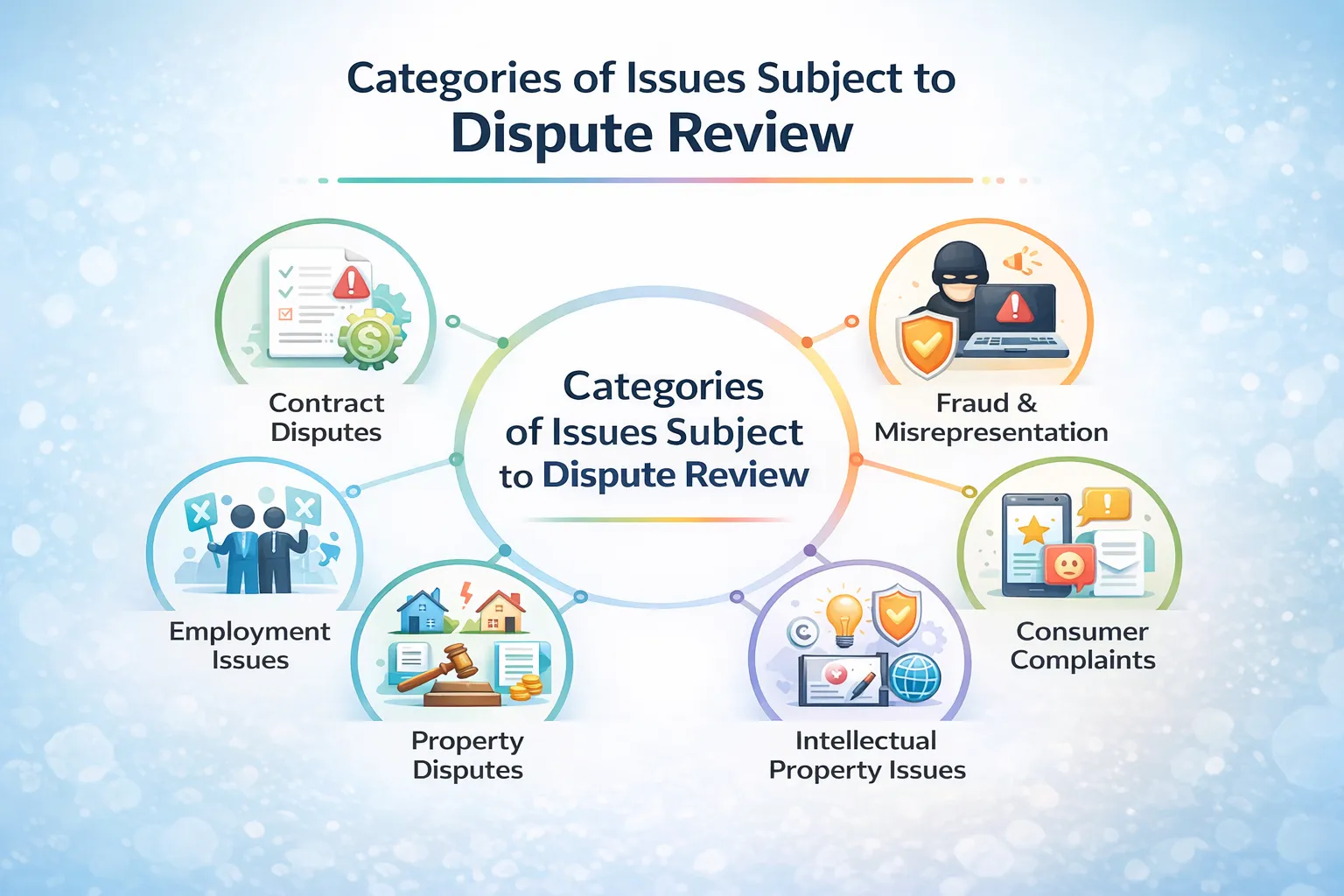
Categories of Issues Subject to Dispute Review
While user enquiries may vary in form, disputes typically fall within identifiable categories. Each category is assessed under its relevant operational and compliance framework.
Review of Contract Execution and Settlement Outcomes
Users may raise concerns regarding whether a contract executed or settled correctly. These reviews involve a comparison of:
- Contract parameters at the time of entry
- System execution records
- Settlement logic applied at expiry or resolution
Where records confirm correct execution in accordance with disclosed terms, the outcome is deemed valid and final.
Review of Technical Performance or System Availability
Disputes may also arise from alleged technical issues, including platform access interruptions, display delays, or system responsiveness.
Such matters are reviewed by examining:
- System uptime and incident logs
- Execution timestamps
- Internal monitoring data
Only issues demonstrably affecting execution or settlement are considered within dispute resolution.
Review of Account-Level Actions and Restrictions
Account-related concerns, including access limitations or operational restrictions, are assessed in accordance with platform rules, internal controls, and applicable compliance obligations. These reviews focus on whether actions were applied correctly, proportionately, and in alignment with platform policies.
Formal Dispute Resolution Procedure
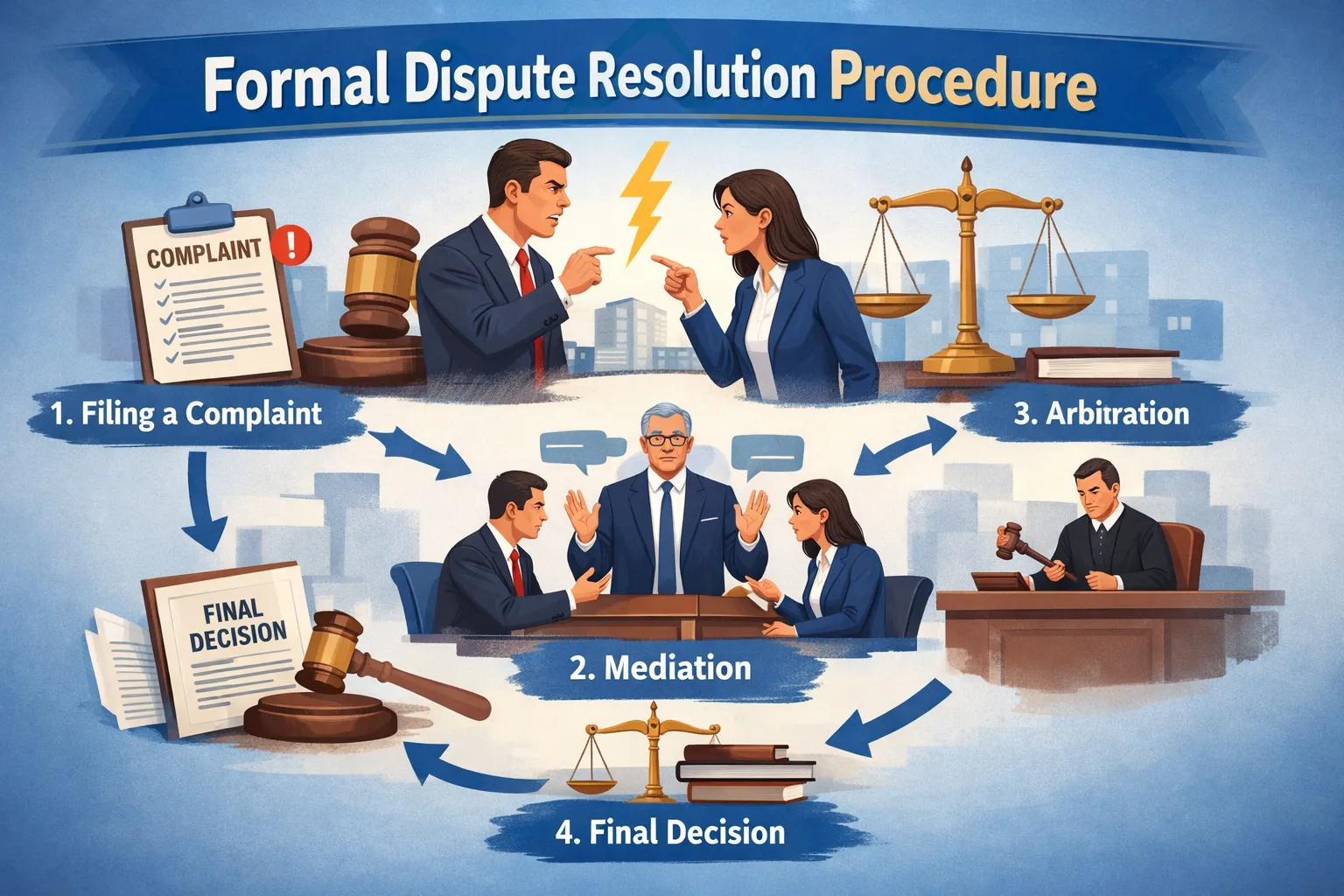
The MEXQuick Dispute Resolution process follows a defined and documented procedure designed to ensure consistency and fairness.
Submission of a Dispute or Complaint
Users must submit disputes through the official support channels designated by MEXQuick. Submissions should include all relevant details, such as:
- Account identifier
- Contract reference
- Date and time of the event
- Description of the concern
Incomplete or unclear submissions may delay review.
Preliminary Assessment and Classification
Upon receipt, submissions are reviewed to determine whether the matter constitutes:
- A request for clarification
- A technical enquiry
- A formal dispute requiring detailed investigation
Not all enquiries progress to a formal dispute review.
Internal Verification and Evidence Review
For matters classified as disputes, MEXQuick conducts an internal review using system-generated records, including:
- Execution logs
- Contract definitions
- Platform status data
These records form the authoritative basis for decision-making.
Determination and Communication of Outcome
Following verification, a determination is made based on factual system behaviour. The outcome is communicated to the user with an explanation referencing platform rules and operational logic. Decisions are final unless new, material information becomes available.
Matters Excluded From Dispute Resolution
Certain matters fall outside the scope of MEXQuick Dispute Resolution and will not be reviewed as disputes.
Outcomes Resulting From Proper Contract Execution
Where contracts execute and settle in accordance with disclosed terms, outcomes are not subject to reversal, modification, or compensation. User dissatisfaction alone does not constitute grounds for dispute.
External Market Conditions and Third-Party Influences
MEXQuick does not adjudicate disputes based on:
- External price movements
- Market volatility
- News events
- Third-party platform behaviour
Only internal platform operations are reviewed.
Transparency, Record-Keeping, and Accountability
MEXQuick maintains detailed internal records to support dispute resolution and operational accountability. These records enable:
- Consistent application of rules
- Verifiable audit trails
- Clear communication with users
While internal systems and methodologies remain proprietary, outcomes are explained in a manner that allows users to understand the basis of decisions.
Timeframes and Procedural Expectations
Dispute reviews are conducted within reasonable operational timeframes. Resolution timing may vary depending on:
- Complexity of the issue
- Volume of active disputes
- Requirement for technical verification
Users are advised that repeated or duplicate submissions may delay resolution.
Distinction Between System-Driven and Discretionary Dispute Models
Unlike traditional trading platforms that rely on human judgment or negotiation, MEXQuick resolves disputes through validation of system behaviour. This model reduces inconsistency and bias, while reinforcing predictability and rule-based governance.
User Responsibilities and Risk Awareness
Users remain responsible for understanding:
- Contract mechanics
- Settlement conditions
- Platform documentation
Dispute resolution does not replace due diligence or risk awareness. Users are encouraged to seek clarification prior to participation where necessary.
Role of Dispute Data in Platform Governance and Improvement
Aggregated dispute data is reviewed periodically to identify:
- Recurrent user misunderstandings
- Documentation gaps
- Interface clarity issues
This feedback supports continuous improvement while maintaining structural integrity.
Conclusion
MEXQuick Dispute Resolution is designed to uphold consistency, transparency, and operational integrity within a system-driven trading environment. The process does not guarantee favourable outcomes, nor does it mitigate inherent platform risks. Its purpose is to confirm that MEXQuick operates according to its disclosed rules and to provide users with clear, reasoned explanations when concerns arise. Users who understand the platform’s structure, contractual framework, and dispute process are better positioned to engage responsibly and with appropriate expectations.