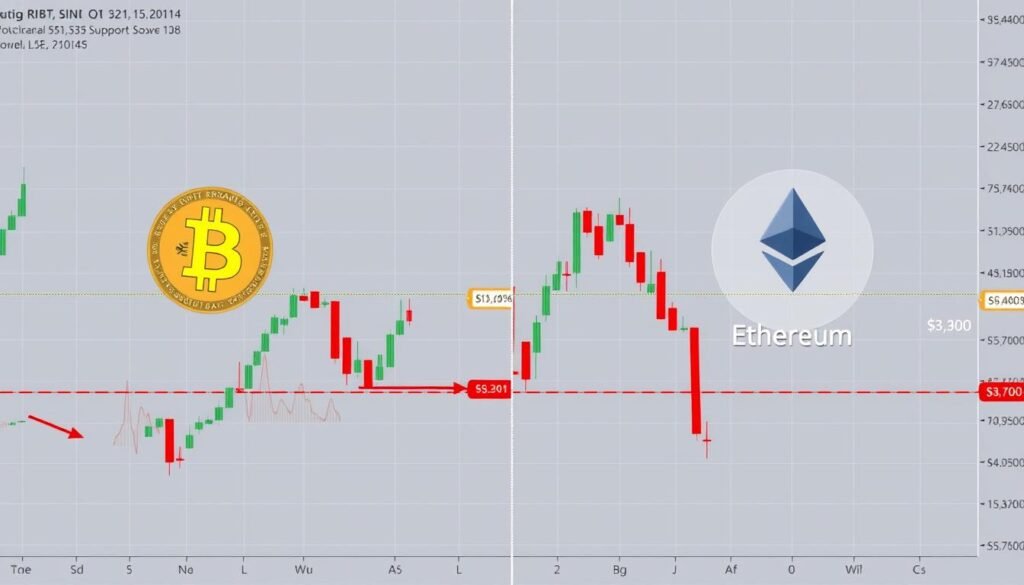
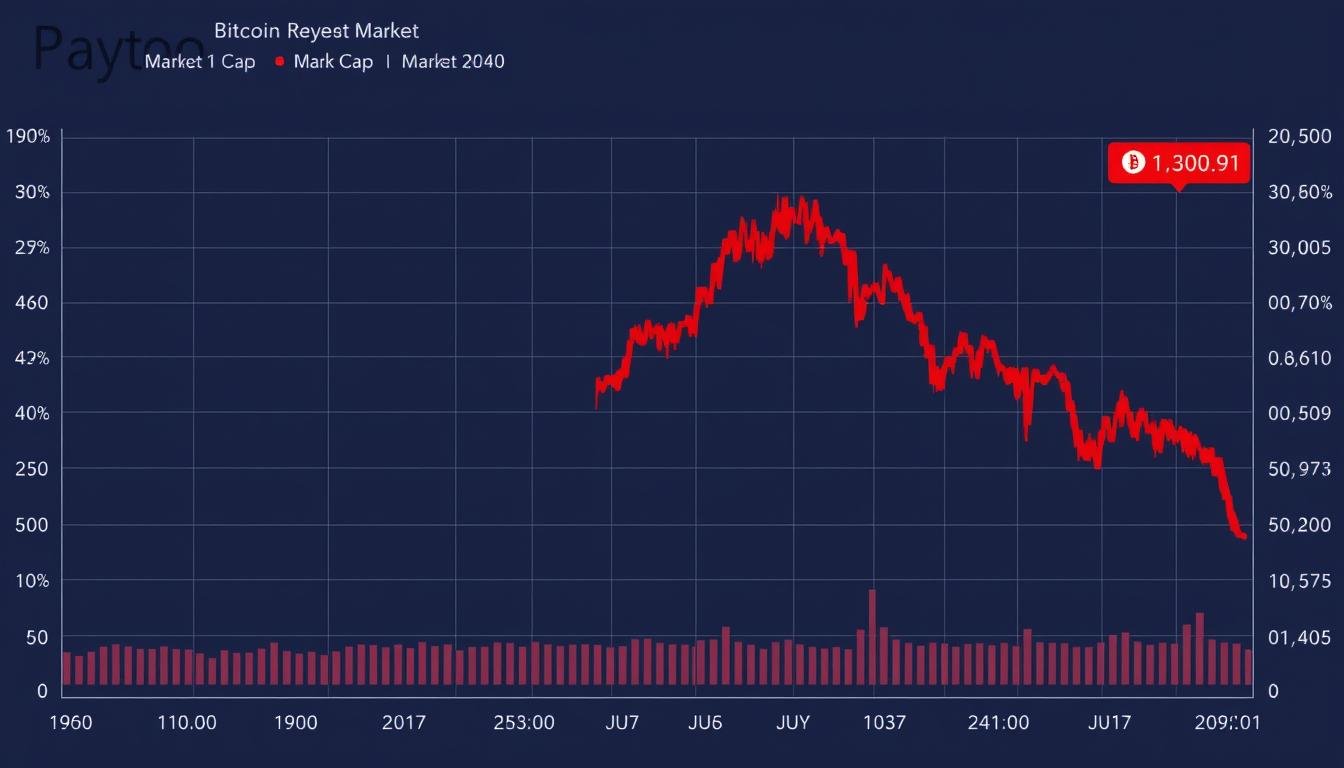
The mechanics of leverage played a central role in today’s move.
Over the past week, volatility narrowed while open interest climbed. That setup looks calm on the surface, but it creates instability underneath. When price finally moves, it tends to move quickly.
Once Bitcoin slipped below support, long positions began to unwind. Liquidations added forced selling, which pushed prices lower and triggered more liquidations. Ethereum saw a heavier wave, especially among higher-leverage positions.
This isn’t panic. It’s automation. The market clearing excess risk exactly as it’s designed to do.
On-Chain Data Whale Movements and Institutional Flows
On-chain data helps explain the timing.
Large wallet transfers increased ahead of the decline, with several notable movements toward exchanges. That doesn’t automatically mean whales were dumping. In many cases, these actions suggest hedging or preparation for volatility.
Institutional flows showed moderate outflows, not mass exits. That distinction is important. Institutions appear cautious, not bearish. Capital is being parked, not pulled.
This pattern fits a risk-reduction phase rather than a loss of confidence in the asset class.
Sector View Altcoins, Stablecoins, and BTC Dominance
Altcoins felt the pressure more intensely, as they usually do.
Smaller-cap tokens dropped harder, largely due to thinner liquidity and higher speculative positioning. When traders turn defensive, these areas are typically the first to be sold.
Stablecoin dominance increased, indicating rotation rather than withdrawal. Money moved to the sidelines inside the crypto ecosystem, waiting for clearer signals.
Bitcoin dominance also ticked higher. During uncertain periods, BTC often becomes the market’s default holding—not because it’s safe, but because it’s the most liquid.
Sentiment Overview Fear & Greed Index and Market Psychology
Sentiment shifted quickly once support levels failed.
The Crypto Fear & Greed Index dropped into Fear territory, reflecting how fast trader psychology reset. Just days earlier, sentiment was cautiously optimistic. Once structure broke, protection took priority.
Crypto sentiment rarely fades slowly. It flips. Confidence builds quietly, then disappears the moment expectations change.
Fear alone doesn’t define a bottom, but it does mark a shift from comfort to caution.
Correlation Factors Stocks, Dollar, and Bond Yields
Crypto’s move today mirrors broader market behavior.
Equities weakened, particularly growth-focused names. Bond yields remained elevated, reinforcing tighter financial conditions. The U.S. dollar strengthened modestly, which tends to pressure risk assets across the board.
Much of this traces back to ongoing uncertainty around monetary policy and economic data. Markets remain highly sensitive to signals from the Federal Reserve, even in the absence of new decisions.
Crypto may have its own narratives, but during macro stress, it still trades like a high-beta asset.
Regulation and Exchange-Related Headlines
Regulatory developments weren’t the trigger, but they continue to shape the backdrop.
Ongoing discussions around exchange oversight and stablecoin frameworks add to an already cautious environment. Nothing materially changed today, but unresolved risks tend to feel heavier during market weakness.
As usual, rumors surfaced around exchanges and liquidity. There have been no confirmed disruptions across major platforms. Still, online trading accounts often reduce exposure first and verify later, which can amplify short-term moves.
What Analysts Are Watching Next
Right now, analysts are focused on confirmation rather than prediction.
Key areas include whether Bitcoin can reclaim its prior range, how Ethereum behaves once liquidation pressure fully clears, and whether spot buyers step back in at lower prices.
Volume will also matter. Declining volume during a pullback can signal exhaustion. Sustained high volume suggests conviction. For now, the market is still searching for balance.
Macro data, bond market direction, and equity performance are likely to influence what comes next more than any single crypto-native headline.
Market Context Understanding Today’s Crypto Decline
So, why is crypto down today?
Because leverage accumulated during a low-volatility phase, technical support failed, and macro uncertainty limited buyers’ willingness to act. This wasn’t a breakdown of belief—it was a reset of positioning.
Crypto markets move in cycles. Expansion, contraction, recalibration. Today’s decline fits squarely within that rhythm.
Understanding the context doesn’t remove risk, but it replaces noise with perspective—and perspective is what keeps decisions measured when volatility returns.
Disclaimer
This market analysis is provided for informational and educational purposes only by News Blog MEXQuick. The content presented herein is based on research conducted by the MEXQuick team, utilizing data and information gathered from sources believed to be reliable. However, MEXQuick does not guarantee the accuracy, completeness, or timeliness of the information provided.
This article should not be construed as financial, investment, or trading advice of any kind. MEXQuick is not liable for any actions taken, losses incurred, or decisions made based on the information contained in this analysis. All market participants should conduct their own independent research and consult with qualified financial advisors before making any investment decisions. Cryptocurrency investments are inherently volatile and carry a high degree of risk; you should be prepared for the potential loss of your entire investment capital.